
Google Launches Gemini 3.8 Flash & Flash Cyber for Agentic AI
Google has unveiled two new AI models: Gemini 3.8 Flash and 3.8 Flash Cyber. These are engineered to advance agentic workflows, providing enhanced speed and sophisticated reasoning to autonomously handle complex tasks. The Cyber variant features specialized cybersecurity capabilities, enabling real-time threat detection and incident response. This update solidifies Google's commitment to generative AI applied to business automation and digital protection, offering powerful tools for developers and enterprises.

Toyohiro Akiyama, first Japanese citizen and journalist in space, dies at 84
He reported from space that only "fat" Japanese tree frogs enjoyed weightlessness.
US court rules Google will not have to sell ad exchange after losing antitrust c
The DOJ proved to the court that Google acted illegally, but it won't get the big win it wanted.
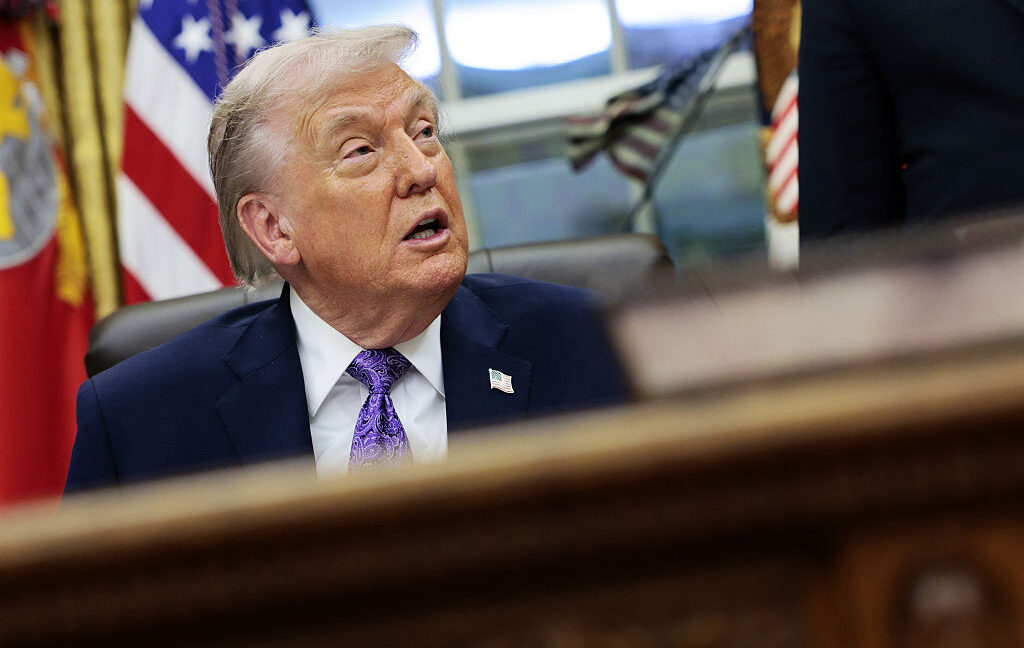
Trump may be forced to reveal secret rules feds use for AI safety testing
Trump’s secret reviews of frontier AI models may hide corruption, lawsuit says.
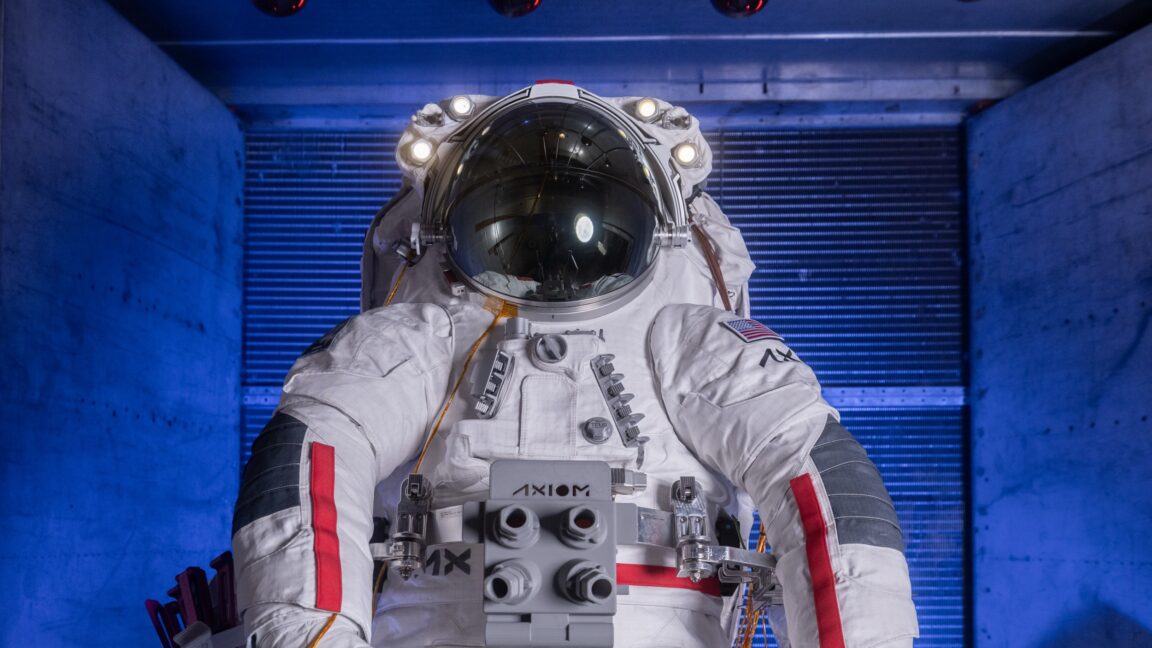
NASA simplifies lunar spacesuits to accelerate Artemis IV mission
NASA has opted to develop a simplified "Sortie Suit" variant of the planned AxEMU lunar spacesuit for the initial Artemis landing missions, aiming to lower mass, reduce complexity, and streamline interfaces with SpaceX and Blue Origin landers. The move reflects Administrator Jared Isaacman's push to get Artemis back on track for a 2028 crewed landing, with requirements being relaxed — including shorter certification timelines — after the program fell behind schedule and risked ceding the Moon to China. Axiom Space, now the sole suit provider after Collins Aerospace withdrew, is working closely with NASA six days a week to adapt the design, which had exceeded mass budgets due to demanding original requirements such as six EVAs over 6.5 days and two-hour operation in permanently shadowed regions.

The Challenge of Detecting AI-Generated Content
Max Spero, from Pangram, explains in an interview with TechCrunch why identifying AI-generated content is more complex than simply distinguishing between 'real' and 'fake.' According to Spero, AI is advancing so rapidly that traditional detection methods quickly become obsolete, as generative models can produce text and images indistinguishable from human-created work. The expert emphasizes that it's not enough to look for static patterns; one must understand the context and purpose behind each piece of content. This requires developing dynamic systems that analyze not just surface structure but also intention, style, and thematic coherence. Additionally, he notes that the widespread availability of accessible AI tools has democratized its use, further complicating the work of detectors. Spero concludes that the solution lies in combining advanced language analysis techniques with clear ethical frameworks, fostering collaboration between developers, journalists, and regulators. Only through such efforts can we build an ecosystem where transparency about content origin becomes the norm, protecting both creators and the public.

Delivery Hero board backs Uber’s $15B takeover bid
If approved, the combined company would become one of the largest food delivery platforms in the world.

It sure looks like hackers breached a major ID card verification service
An identity theft search site claimed to have more than 150 million driver's license photos stolen from an ID verification service. The crime site has now shut down.

MapQuest is now the No. 1 US app after bucking Trump’s ‘Lake America’ renaming
The once-dominant mapping app has surged to the top of Apple’s U.S. App Store after refusing to adopt Trump’s “Lake America” name, drawing more than half of its 2026 U.S. downloads in just six days.

OpenAI’s new reasoning technique alarms AI safety experts
OpenAI’s new Astra model will use “recurrent depth,” a technique that allows the model to operate outside of the sequential thinking that characterizes most reasoning models.

Google spared from ad-business breakup, but judge orders changes to how it opera
Google has dodged an effort to break up its ad business, but a judge said Wednesday that the company will need to adjust its business to benefit competitors.